
Impulse spending can quietly damage a budget, not always because the purchases are huge, but because they are easy to repeat. A convenience purchase here, an online order there, an extra item added to the cart, another meal bought because the day was busy—none of these decisions may feel major on their own. Together, though, they can pull money away from bills, savings, and other priorities faster than expected.
A lot of advice about impulse spending becomes too complicated too quickly. It may involve strict rules, elaborate envelope systems, or highly detailed tracking habits that feel hard to sustain. For many people, a simpler approach works better. The goal is not to create a perfect anti-spending system. The goal is to slow down enough to make more intentional decisions.
The first step is to notice where the impulse spending usually happens. Is it online shopping at night? Quick food purchases during busy workdays? Convenience items at the store? Subscription add-ons? Little spending patterns often repeat in the same environments. Recognizing that pattern is more helpful than criticizing yourself for having it.
The second step is to create a pause before non-essential purchases. The pause does not need to be dramatic. It might be waiting until tomorrow before placing an online order, keeping a list of “want to buy” items instead of buying immediately, or deciding that any non-urgent purchase over a certain amount waits 24 hours. A short pause creates space between the feeling of wanting and the act of spending.
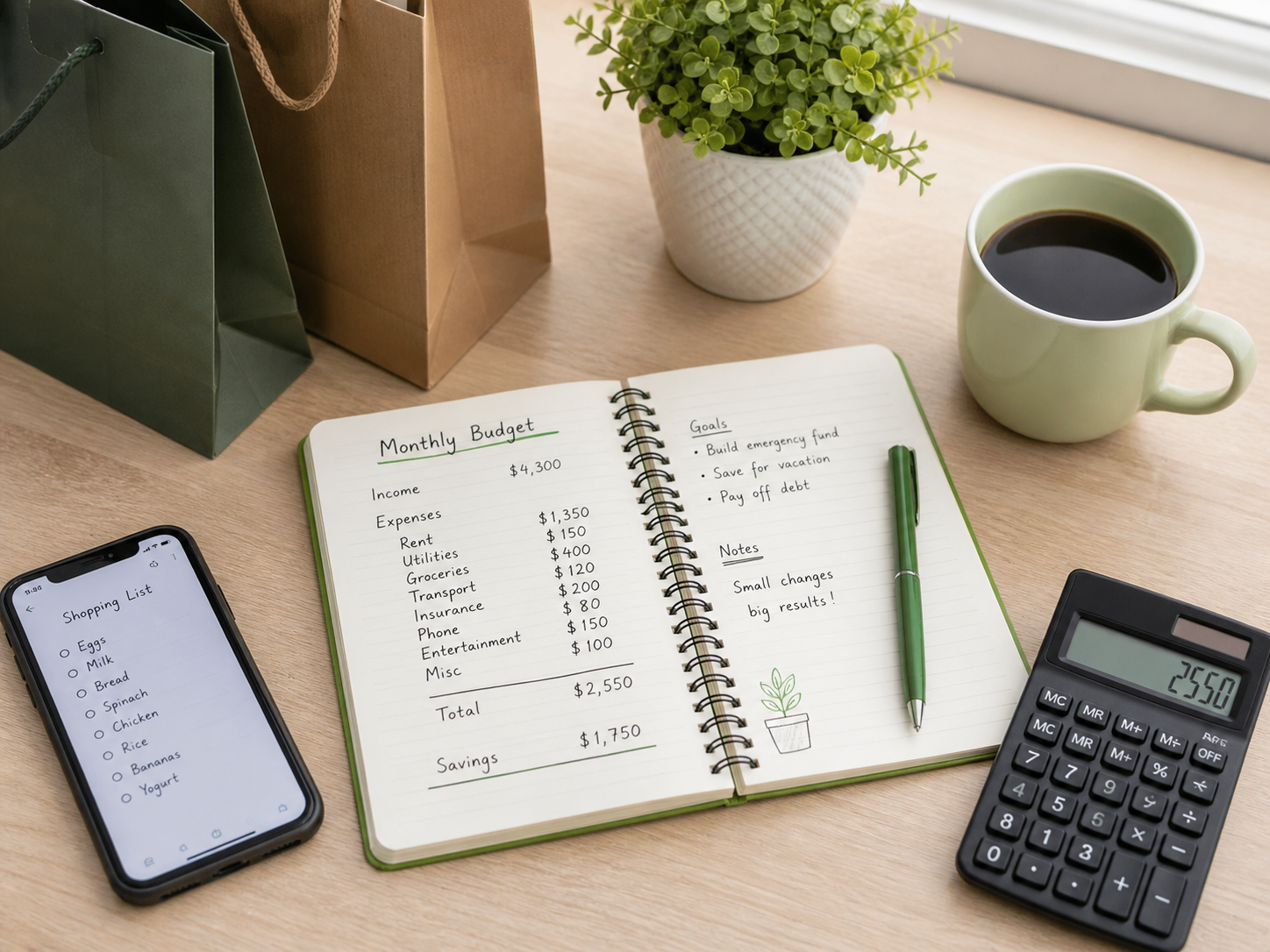
The third step is to make your actual budget more visible. Impulse spending often gets easier when your paycheck feels unassigned. If you do not know what the money needs to do, it is much easier to treat it like it is all available. When bills, groceries, transportation, savings, and flexible spending are already estimated, random purchases become easier to evaluate honestly.
This does not mean you need to eliminate all personal spending. In fact, budgets are often more sustainable when they include a small, reasonable amount for flexibility. The goal is not guilt. The goal is awareness. A budget that allows some personal spending on purpose usually works better than one that pretends real life will contain none.
It can also help to reduce triggers where possible. If certain shopping apps lead to frequent purchases, removing saved payment information or deleting the app may help. If browsing certain stores turns into unplanned spending, changing routines may reduce temptation. Small environmental changes often matter more than people expect because they make spending slightly less automatic.
Another useful habit is to ask one simple question before buying something non-essential: what is this money no longer going to do if I spend it here? That question does not need to create shame. It is simply a reminder that money has tradeoffs. Seeing the purchase in relation to bills, savings, or a planned goal can make the decision clearer.
Impulse spending is also sometimes connected to stress, boredom, exhaustion, or reward-seeking. That does not mean every purchase is emotional, but it is worth noticing whether certain moods tend to lead to spending. When you know the pattern, you can interrupt it more easily. Sometimes the solution is not stricter budgeting. Sometimes it is better routines, more rest, or a healthier way to get a sense of reward.
If impulse spending has become frustrating, do not assume you need a huge financial system to fix it. Often, a simple set of steps works well: identify the pattern, create a pause, make your real budget visible, allow reasonable flexibility, and reduce the triggers that cause repeat spending. Those small changes are often more sustainable than trying to control every dollar in a rigid way.
The point is not to become a person who never buys anything unplanned. The point is to become more intentional. When your paycheck already has clear jobs, and your spending has a moment of pause built in, impulse purchases lose some of their power.