
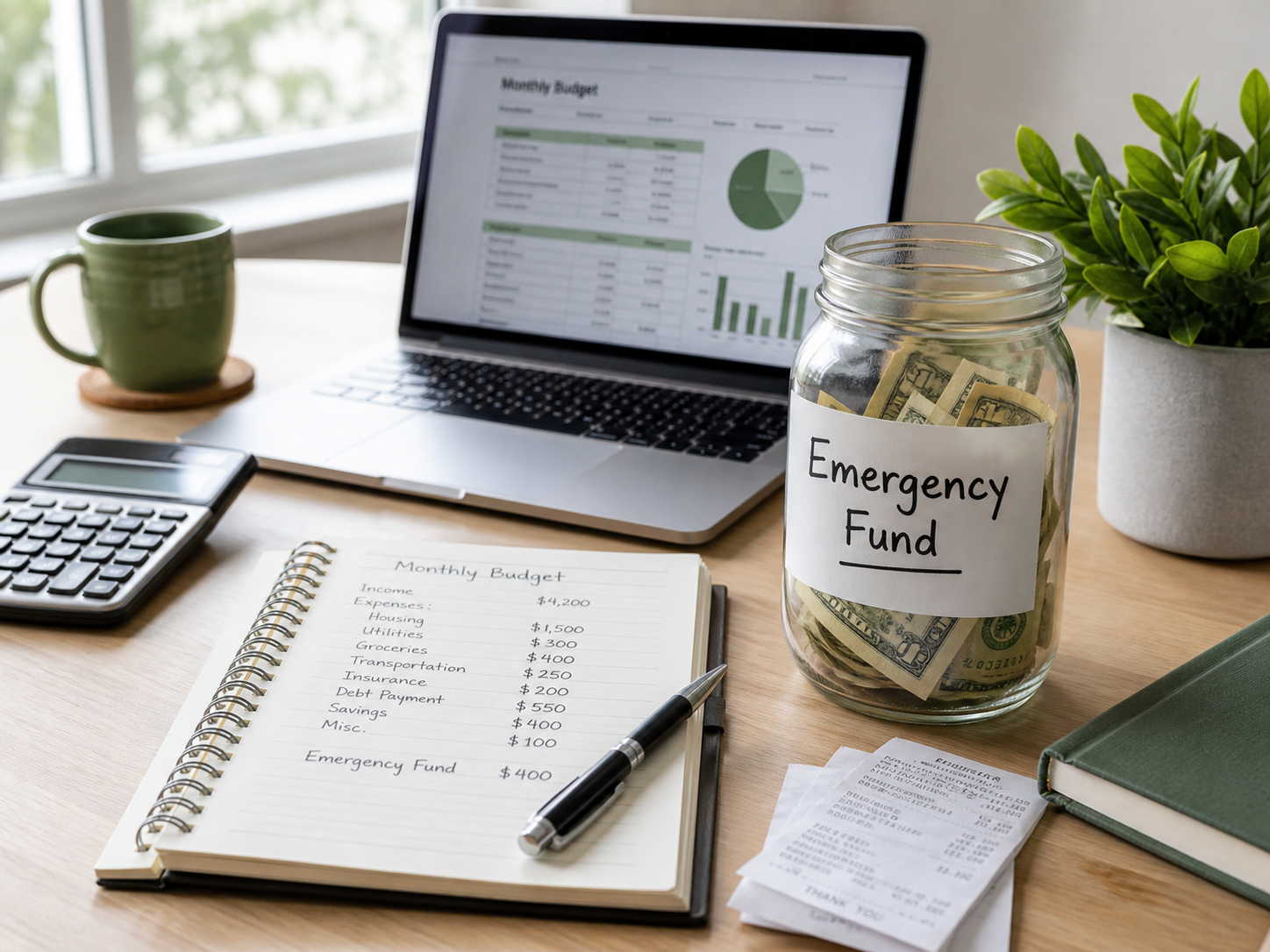
An emergency fund is one of the most helpful tools in a budget because it creates breathing room when life becomes expensive without warning. A car repair, a home issue, a medical bill, an urgent trip, or a temporary income problem can put immediate pressure on your finances. When there is no cushion, even a moderate surprise can force you to rely on credit or scramble to rearrange the entire month.
That is why people often ask the same question: how much should actually be in an emergency fund? The answer depends on your situation, but the most useful way to think about it is usually in stages. Instead of jumping immediately to a large long-term target, it often helps to begin with a realistic first goal and build from there.
A starter emergency fund is often the best first step. The purpose of this stage is not to cover every possible crisis. It is to create a basic financial cushion so smaller surprises do not immediately become bigger financial problems. Even a modest amount can reduce the need to use a credit card for minor emergencies and can make the budget feel less fragile.
Once that initial cushion exists, many people start thinking in terms of essential monthly expenses. What would it cost to cover the basics if income were interrupted? Essentials often include housing, utilities, groceries, transportation, insurance, and minimum debt payments. The exact amount varies from one household to another, which is why emergency savings goals should feel personal rather than copied from someone else’s number.
Households with variable income often need a larger cushion than households with very stable pay. A person supporting children may also need a stronger buffer than someone with fewer obligations. The same is true for households with older cars, higher medical needs, or irregular work schedules. Emergency funds are not one-size-fits-all. The best target is the one that reflects your actual level of risk and responsibility.
At the same time, it is important not to get overwhelmed by the final number. A larger emergency fund can feel impossible if you only focus on the total amount needed. That is why building in phases is so effective. You might begin with a starter amount, then work toward one month of essentials, then gradually build toward a bigger cushion if your situation calls for it. Each stage creates more stability than you had before.
One of the most useful ways to make an emergency fund feel real is to connect the goal to a monthly savings amount. Once you know the target, you can work backward and estimate how much you would need to save each month to reach it. That simple shift changes the goal from a vague wish into a practical plan.
It also helps to remember what an emergency fund is not. It is not the same as spending money. It is not meant for expected annual expenses like holidays, back-to-school shopping, or car registration. Those are better handled with sinking funds. An emergency fund is there for things that are urgent, necessary, and not part of the normal plan.
Some people hesitate to save because they feel the amount they can set aside is too small to matter. However, small contributions still matter. Saving is not only about the total. It is also about building the habit and reducing the number of financial situations that can knock you off course. A small emergency cushion is still better than none.
Where you keep the fund matters too. In most cases, it helps to keep emergency savings somewhere accessible but separate enough that you are not tempted to dip into it casually. The money should be available when you truly need it, but it should not feel like everyday spending money.
The most useful emergency fund is the one that fits your life and grows consistently over time. You do not need to copy someone else’s target exactly. You need a realistic plan that increases your financial stability step by step. Once the emergency fund starts to grow, many people notice an important shift: surprises still happen, but they no longer feel quite as threatening.
That is the real value of emergency savings. It is not just about the dollars in the account. It is about the breathing room those dollars create when life becomes uncertain.